 English



What is Makki ka Atta in English?
Understanding the Difference Between Maize Flour and Corn Starch
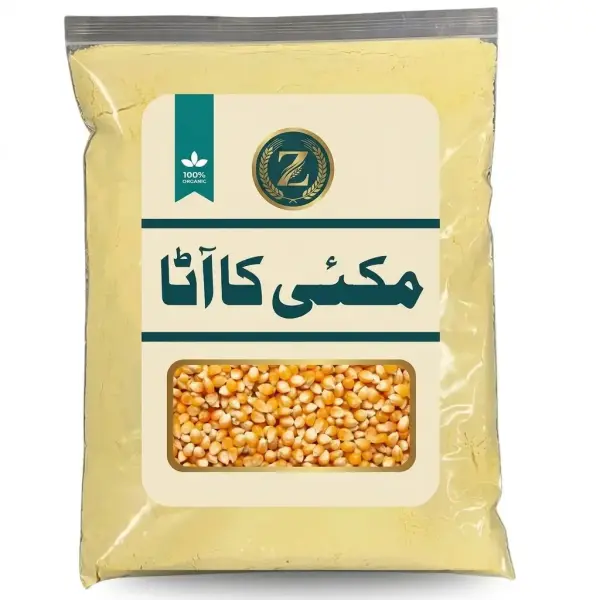
If you are searching for "Makki ka Atta in English," the most accurate translation is Maize Flour or Corn Meal. However, there is a common culinary confusion that often leads to ruined recipes: the difference between Makki ka Atta and commercial "Corn Flour."
Is Makki ka Atta the Same as Corn Flour?
In many Western countries, the term "Corn Flour" refers to a highly refined, white powdery starch (known as Corn Starch) used primarily as a thickening agent for soups and sauces.
Makki ka Atta, on the other hand, is produced by grinding the entire corn kernel. It is a yellow, slightly gritty flour that retains the fiber, protein, and essential nutrients of the maize. If you try to make a Makki ki Roti using white corn starch, the recipe will fail because the textures are completely different.
Key Differences: Makki ka Atta vs. Corn Starch
| Feature | Makki ka Atta (Maize Flour) | Corn Flour (Starch) |
|---|---|---|
| Texture | Slightly Coarse / Gritty | Fine / Chalky Powder |
| Color | Bright Yellow | Pure White |
| Primary Use | Rotis, Cornbread, Muffins | Thickening Sauces & Soups |
| Nutrients | Fiber, Protein, Minerals | Mostly Carbohydrates |
Why Zarfoni's Stone-Ground Makki ka Atta is Better
Standard commercial flours are often degermed (the healthy part of the grain is removed) to increase shelf life. At Zarfoni, we use traditional stone-grinding methods to ensure the corn kernel is ground whole. This preserves the natural oils and the rich yellow color that makes the perfect, aromatic Makki ki Roti.
Our flour is also naturally gluten-free, making it an excellent addition to your diet if you are monitoring your health metrics and BMI.